

By Dr Jessica Corbeille Harris, ND
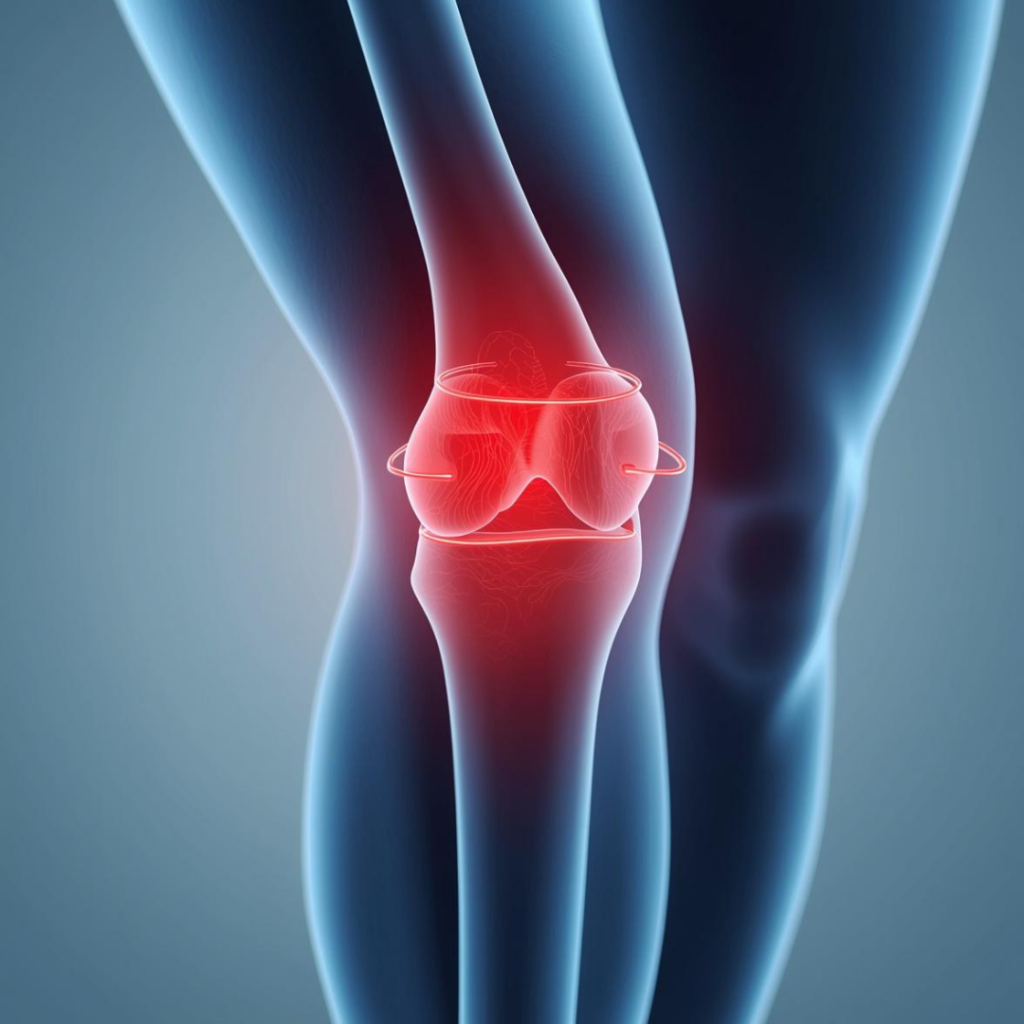
Knee pain is one of the most common concerns I see in practice — especially here in Seattle, where hiking, skiing, running, and staying active year-round are part of our culture. Whether the issue is early osteoarthritis, meniscal derangement (injury), or chronic tendinopathy, many patients are looking for options that support healing. Most people come here having already tried physical therapy, massage, and maybe even acupuncture and chiropractic care. The next steps offered by the conventional model are typically cortisone shots and possibly surgery. Patients want other options – options that are in line with their philosophy to heal their body and not suppress symptoms.
One regenerative therapy that continues to show promise is Platelet Rich Plasma (PRP).
What Is PRP?
PRP uses your own blood to concentrate platelets – powerful cellular messengers that release growth factors involved in tissue repair. After a simple blood draw, the sample is spun in a centrifuge to isolate a platelet-rich layer. That concentrated plasma is then injected into the affected knee joint or supportive structures (i.e. tendons or ligaments surrounding the joint).
Platelets release growth factors and cytokines that:
- Support collagen production
- Modulate inflammation
- Stimulate tissue repair
- Improve cellular communication
- Improve blood flow and nutrient delivery
Rather than numbing pain, PRP works by influencing the biological environment of the joint creating a climate for healing.
Why It Can Help Knee Pain
Knee pain is complex in cause. Sometimes it’s osteoarthritis, sometimes it’s trauma (injury), and sometimes it’s nerves or muscles that are irritated or overworking. Regardless of the diagnosis, in almost all patients with knee pain, we see:
- Low-grade chronic inflammation
- Breakdown of the cartilage matrix
- Impaired healing response
- Synovial irritation
- Nerve irritation and inflammation
PRP helps by shifting the inflammatory response toward repair. It encourages a more regenerative signaling cascade rather than the chronic inflammatory loop that drives stiffness and pain.
For patients with mild to moderate osteoarthritis, PRP may:
- Improve joint comfort
- Reduce stiffness
- Enhance function
- Slow degenerative progression
In cases of tendon or ligament irritation, PRP can stimulate a stalled healing process by promoting collagen remodeling and improving tissue integrity.
How PRP Differs from Steroid Injections
Corticosteroid injections can reduce pain quickly, but they do not promote tissue healing and may accelerate cartilage breakdown with repeated use.
In contrast, PRP:
- Is derived from your own blood
- Supports long-term tissue signaling
- Does not degrade cartilage
- Aligns with a regenerative approach
- Creates healing and promotes health of the joint overall
Results are not immediate – improvement typically unfolds over 3 to 12 weeks as the tissue response evolves.
Who Is a Good Candidate?
PRP is often most effective for:
- Early to moderate osteoarthritis
- Chronic tendon pain (like patellar tendinopathy)
- Persistent knee pain not responding to conservative care
- Patients wanting to delay or avoid surgery
Clinical studies suggest PRP is particularly effective in:
- Early stages of osteoarthritis (mild-moderate grades)
- Younger or middle-aged active patients
- Early degenerative change
- Tendon or ligament strains
- Sometimes partial tendon tears (complete tendon tears are usually in need of surgical repair)
Note: Advanced bone-on-bone disease tends to respond less robustly.
A Naturopathic Perspective
From a naturopathic regenerative medicine standpoint, PRP works best when the terrain supports healing. That includes:
- Optimizing vitamin D, B, C, Zinc, and other nutrient status
- Optimizing hormone levels and treating any imbalances
- Addressing systemic inflammation
- Supporting metabolic health
- Maintaining strength and biomechanical stability (i.e. exercise, stretching, etc.)
- Eating a healthy diet rich in animal protein, vitamin-rich vegetables and fruit, and drinking plenty of filtered water
PRP is not a stand-alone fix – it’s a catalyst. When combined with thoughtful movement therapy, anti-inflammatory nutrition, and whole-person care, outcomes are significantly improved.
The Bottom Line
PRP offers a minimally invasive, biologically aligned option for knee pain. By supporting your body’s own repair mechanisms, it may reduce pain and improve function without suppressing natural healing processes.
For active patients in Seattle looking to stay on the trails, slopes, and sidewalks – regenerative therapies like PRP can be a valuable part of a comprehensive care plan.
If you’re wondering whether PRP is appropriate for your knee pain, a thorough evaluation is the first step.
And if you’re wondering if PRP is a good option for your other areas of pain, it very well may be!! Contact us for more information.